
How to Choose the Right Moving Head Light Specifications for Different Venues?
1. Understand Your Venue and Lighting Requirements
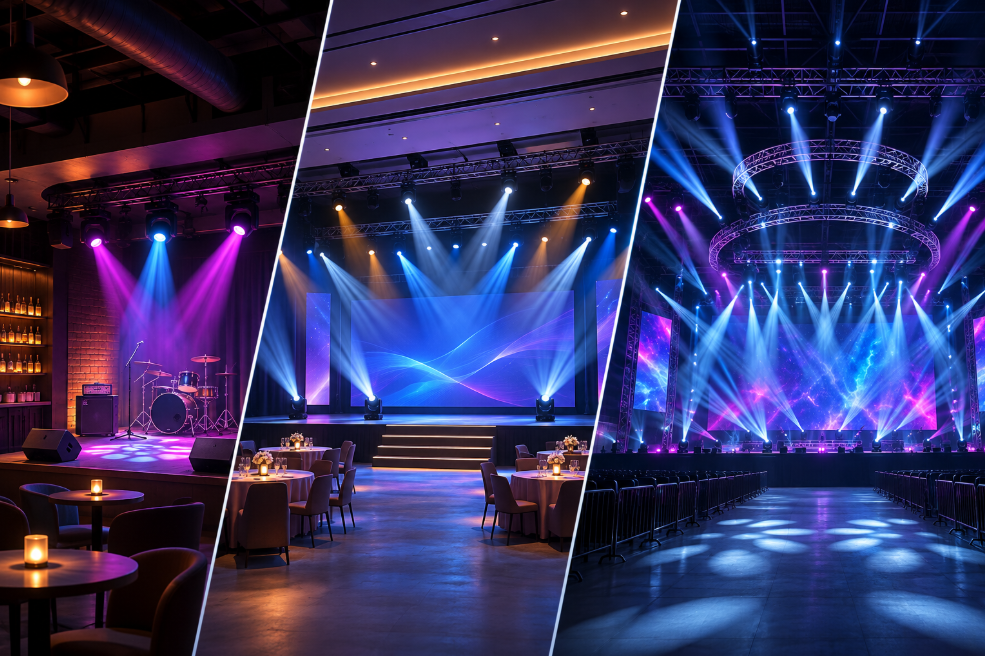
Choosing the right stage lighting starts with understanding your venue. Stage size, ceiling height, audience distance, and event type all influence the lighting equipment you need.
For small clubs and bars, compact moving head lights with flexible movement and colorful effects are ideal. Medium-sized event stages often require a combination of beam, spot, and wash effects. Large concerts and outdoor festivals need powerful fixtures with excellent projection and reliable performance.
The best lighting solution is not always the most powerful one. It is the one that matches your venue and delivers the visual effects you need.
2. Choose the Right Power for Your Stage
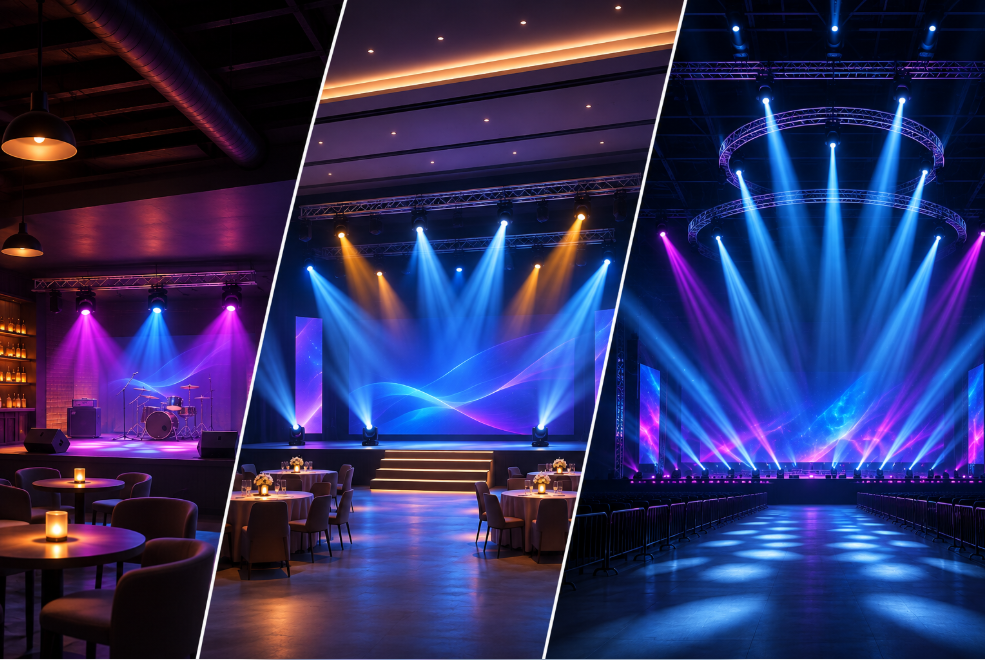
Installation height and projection distance directly affect lighting performance. Choosing the correct fixture power helps achieve better coverage while avoiding unnecessary costs.
For small venues with low ceilings, compact and medium-powered fixtures are usually sufficient. Medium-sized stages benefit from brighter fixtures with flexible zoom functions, while large stages and outdoor events often require higher-output lighting equipment.
Remember that wattage alone does not determine brightness. Lens quality, optical design, and light efficiency also matter.
Consider stage dimensions, mounting height, and projection distance before deciding on fixture power.
3. Select the Right Moving Head Type
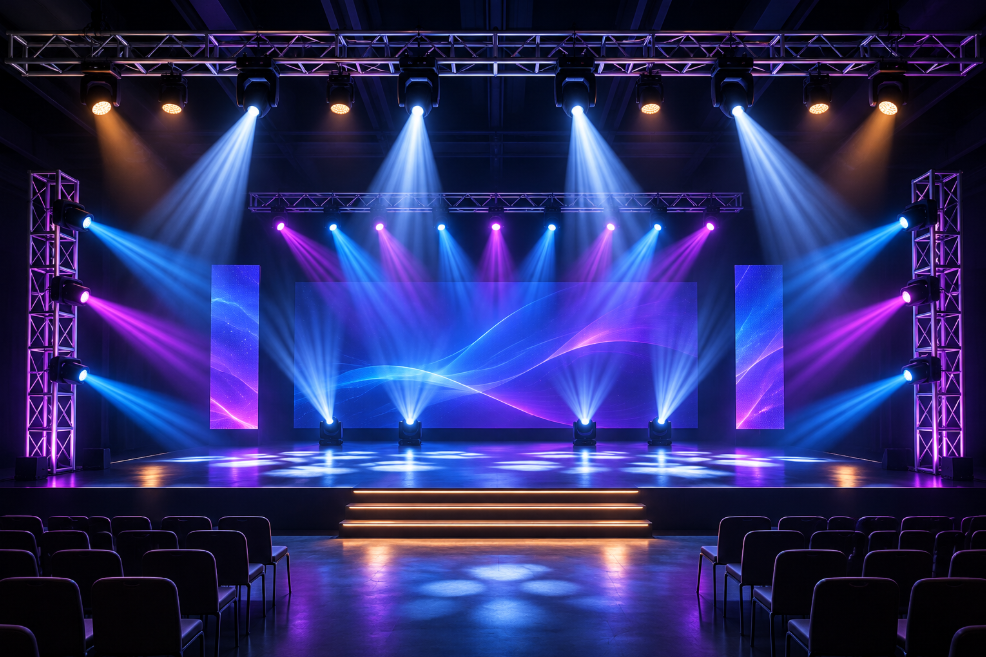
Different moving head lights create different visual effects, so choosing the right type is essential.
Beam moving heads create sharp, concentrated beams for concerts and outdoor performances.
Spot moving heads project patterns and gobos, making them suitable for theaters, weddings, and stage productions.
Wash moving heads provide smooth color coverage and enhance the overall stage atmosphere.
Multifunctional moving heads combine several effects in one fixture, making them a practical choice for rental companies.
For outdoor events, waterproof protection and reliable heat dissipation should also be considered.
Choosing versatile fixtures can help reduce equipment costs while giving you more creative lighting possibilities.
4. Plan Your Installation and Stage Layout
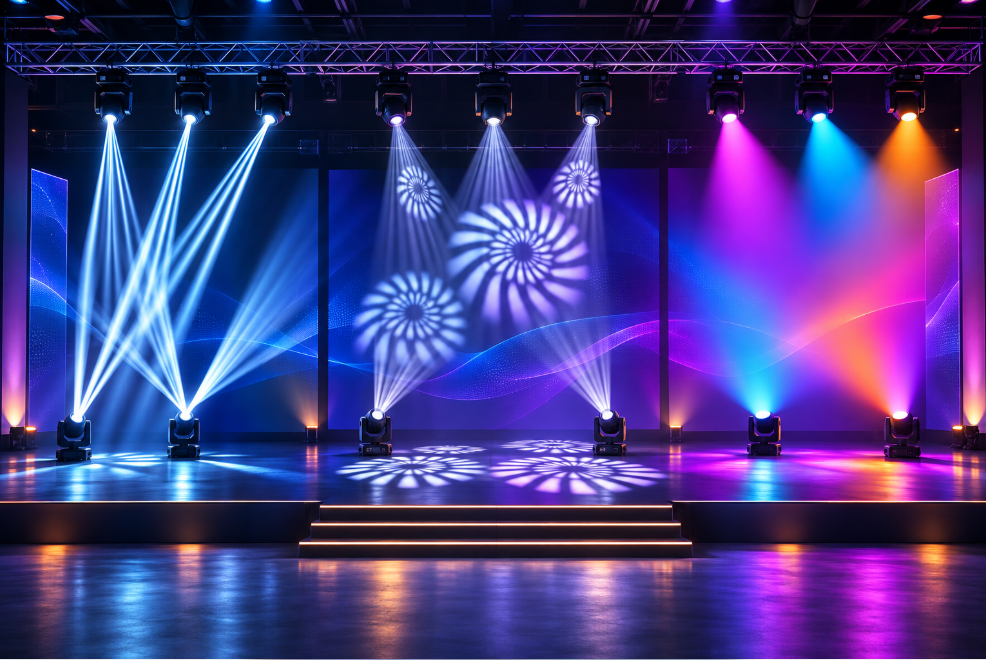
A good lighting design depends on more than the fixtures themselves. Their positions, spacing, and projection angles are equally important.
Front lighting helps illuminate performers, rear lighting creates impressive beam effects, and side lighting adds depth to the stage. For larger installations, buyers should also consider hanging weight, power distribution, maintenance access, and safety requirements.
Control compatibility is another important factor. Make sure your fixtures support your existing lighting console and offer suitable DMX channel modes.
A well-planned lighting layout improves stage coverage, equipment efficiency, and overall performance.
5. Choose a Reliable Stage Lighting Manufacturer
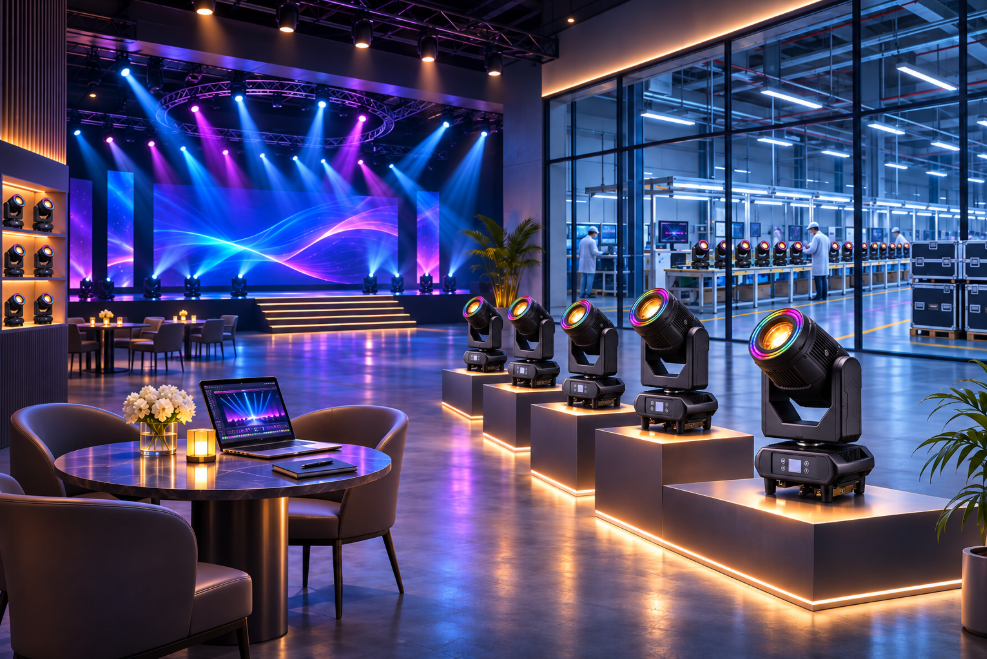
Working with a reliable manufacturer is essential for long-term purchasing value. Product quality, production capacity, quality testing, spare parts, and after-sales support should all be considered.
Blue Sea Lighting specializes in professional stage lighting equipment, including beam, spot, wash, multifunctional moving heads, and IP-rated outdoor lighting. We serve customers worldwide, including rental companies, distributors, and professional lighting contractors.
Whether you are purchasing a few fixtures for a nightclub or preparing a complete lighting package for a large event, our team can help you find suitable products.
Share your project dimensions, lighting requirements, and estimated quantity with Blue Sea Lighting. Let us help you choose the right equipment and build a lighting solution that fits your budget.
Recommended
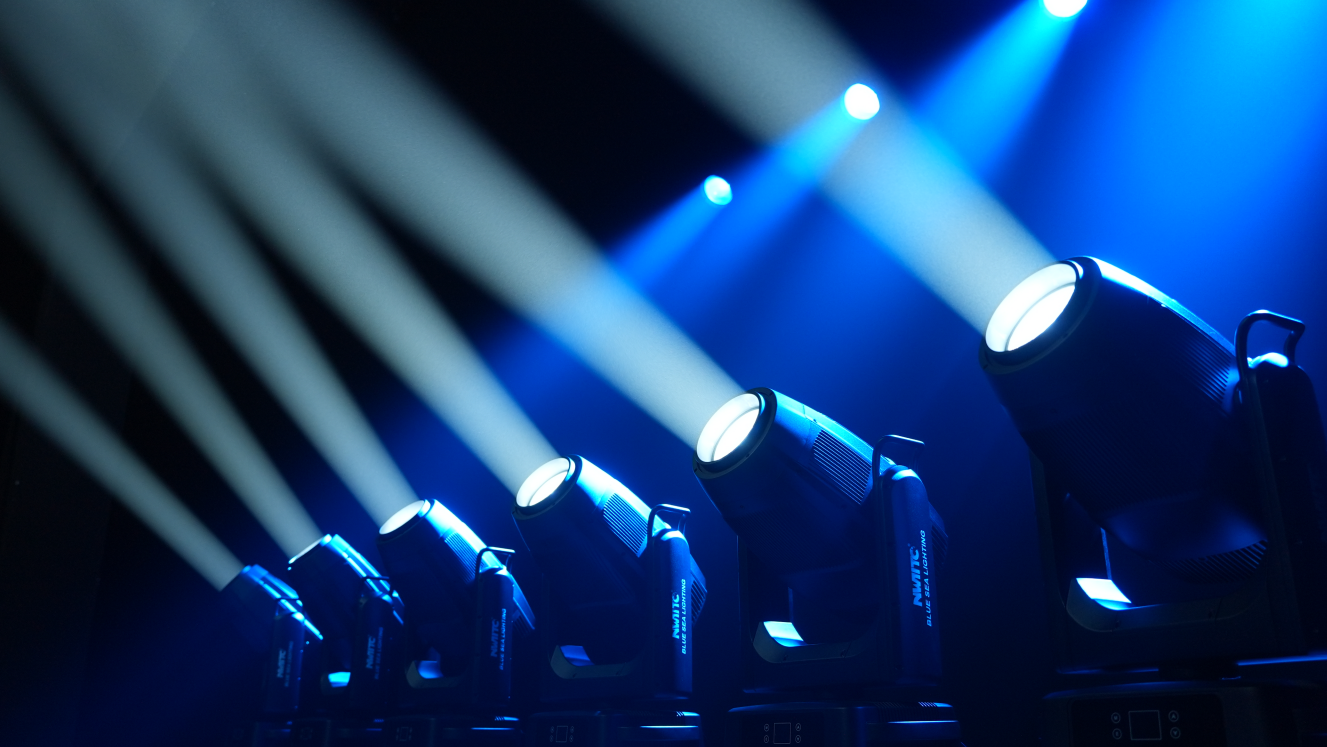
How to Choose the Right Moving Head Light for Your Stage?
Discover how to choose the right moving head light for your stage. Compare beam, spot, wash, technical specifications, and professional lighting solutions.
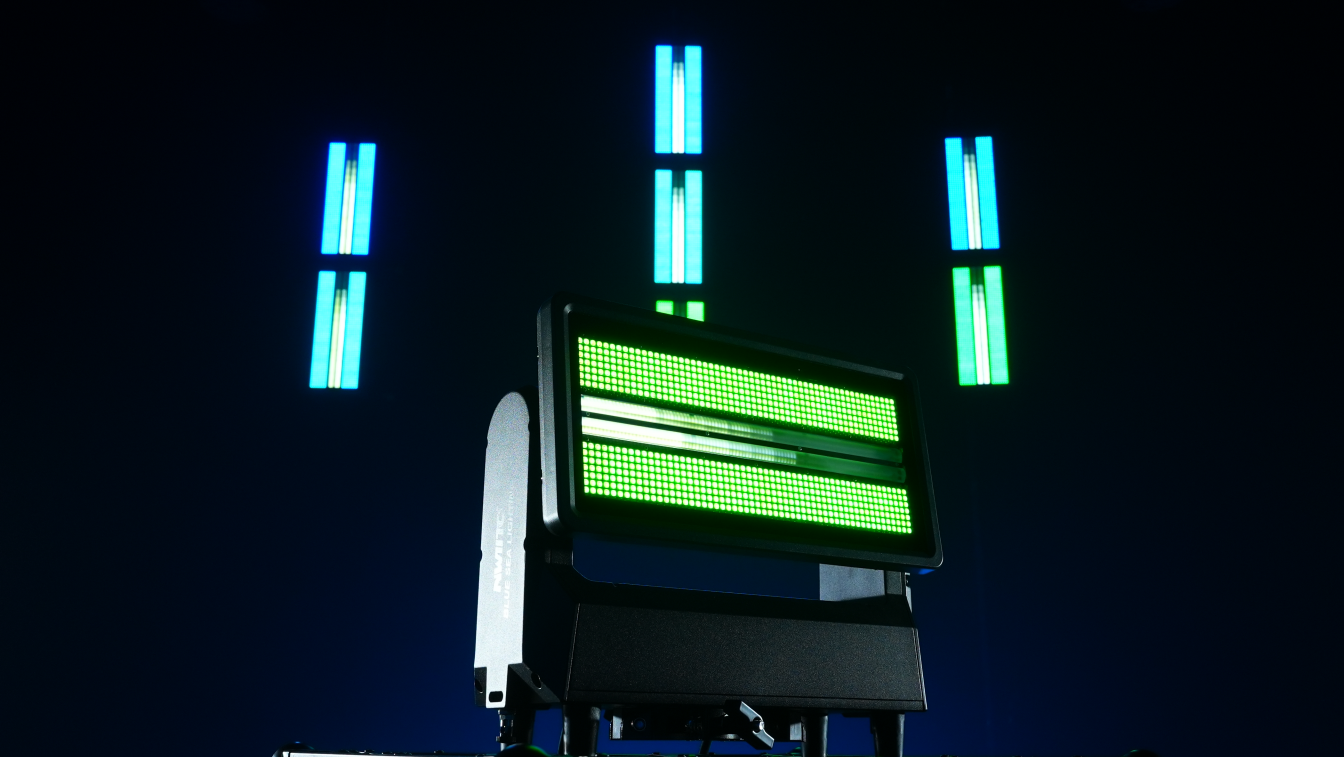
How to Use LED Strobe Lights to Create Stunning Stage Effects?
Discover how LED Stage Strobe Lights create stunning stage effects. Blue Sea Lighting explains flash rates, color effects, DMX Strobe Light control, and fixture combinations for concerts, DJ events, and nightclubs.
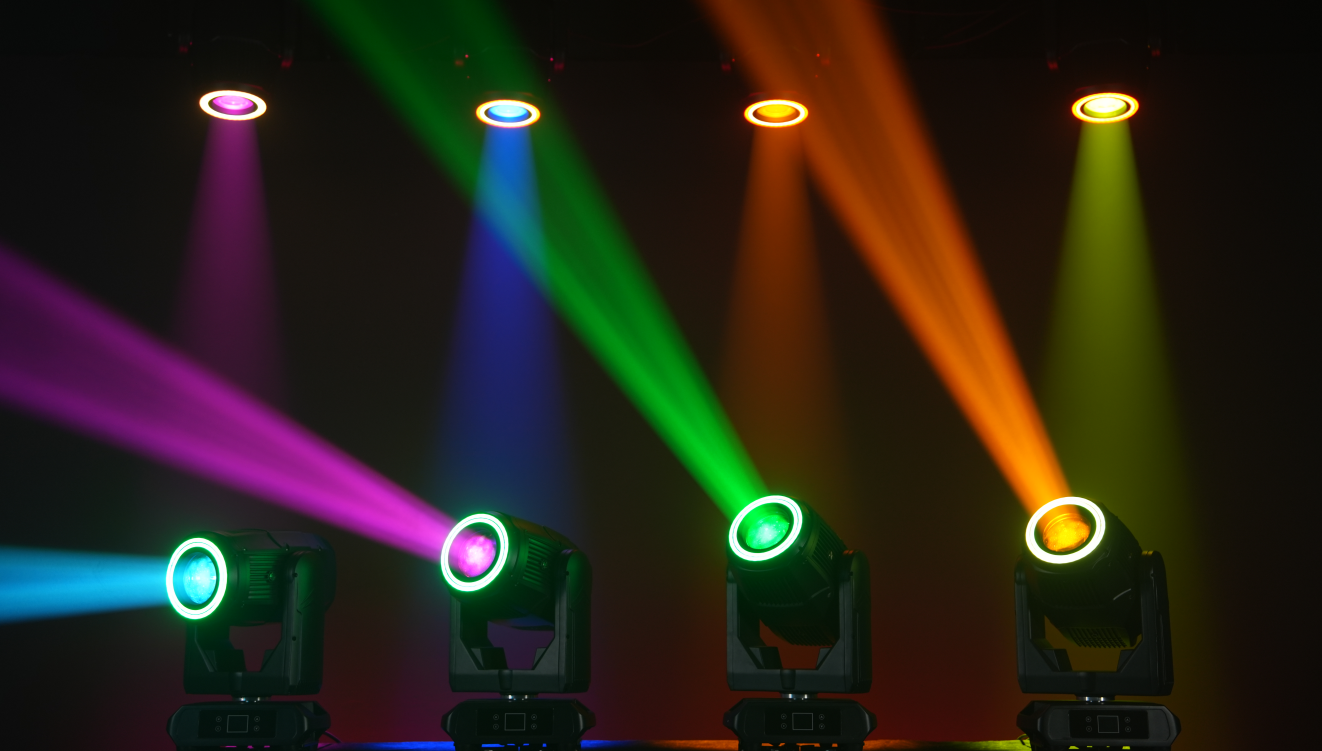
Beam vs Spot vs Wash: Understanding 3-in-1 BSW Moving Head Lights
Learn how Beam, Spot and Wash effects work in a 3-in-1 BSW moving head and how they create dynamic visuals for professional stage lighting.
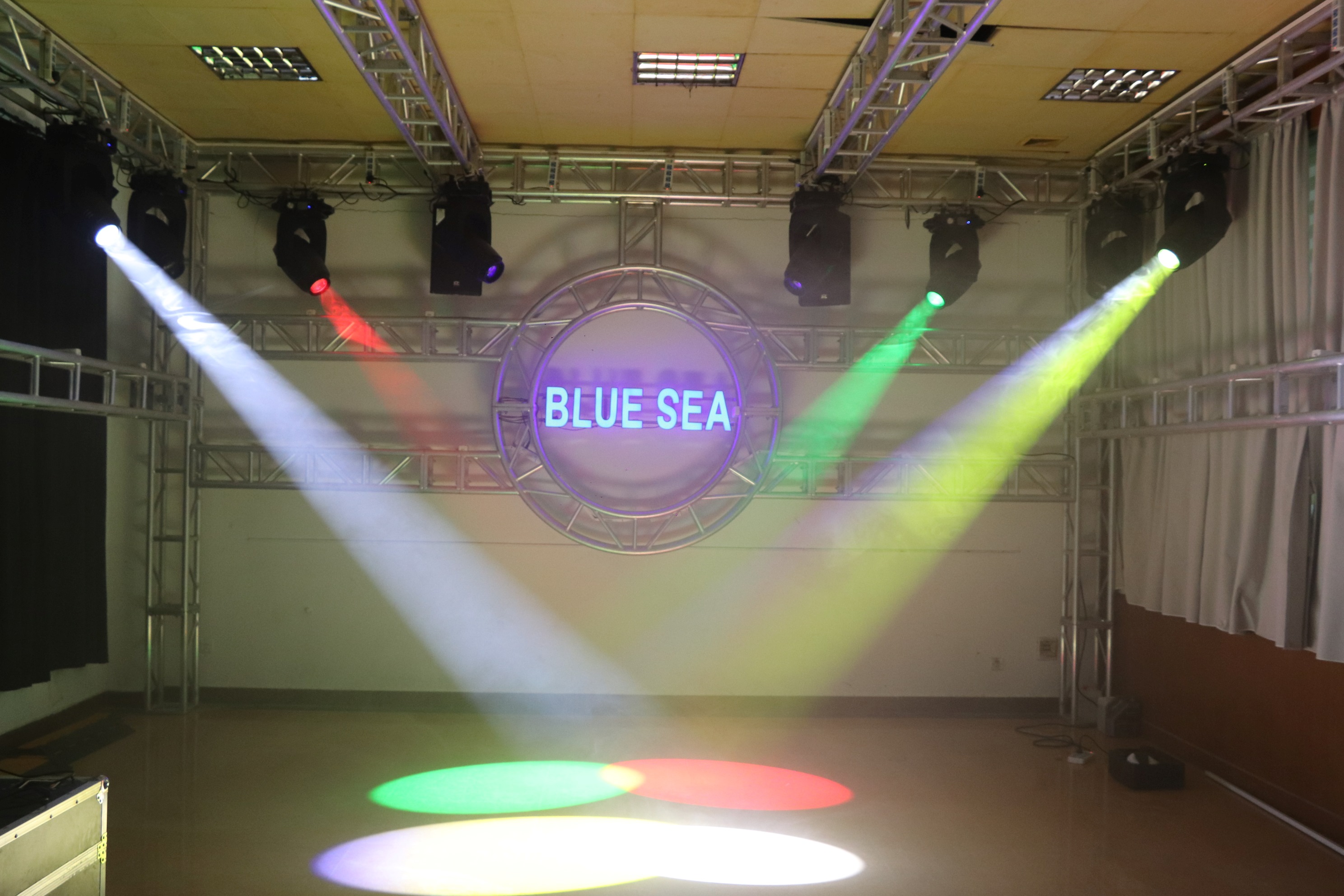
How to Choose the Right Stage Lighting for Different Events? A Complete Buyer's Guide
Discover how to choose the right stage lighting for concerts, weddings, theaters, and outdoor events. Explore practical lighting tips and professional solutions from Blue Sea Lighting to create outstanding visual experiences.
Send Message To Blue Sea Lighting
leave us a message Contact us by completing the form below.Our customer service will answer you as quickly as possible.Gem Heights is parent company of '' Gem factory india''