
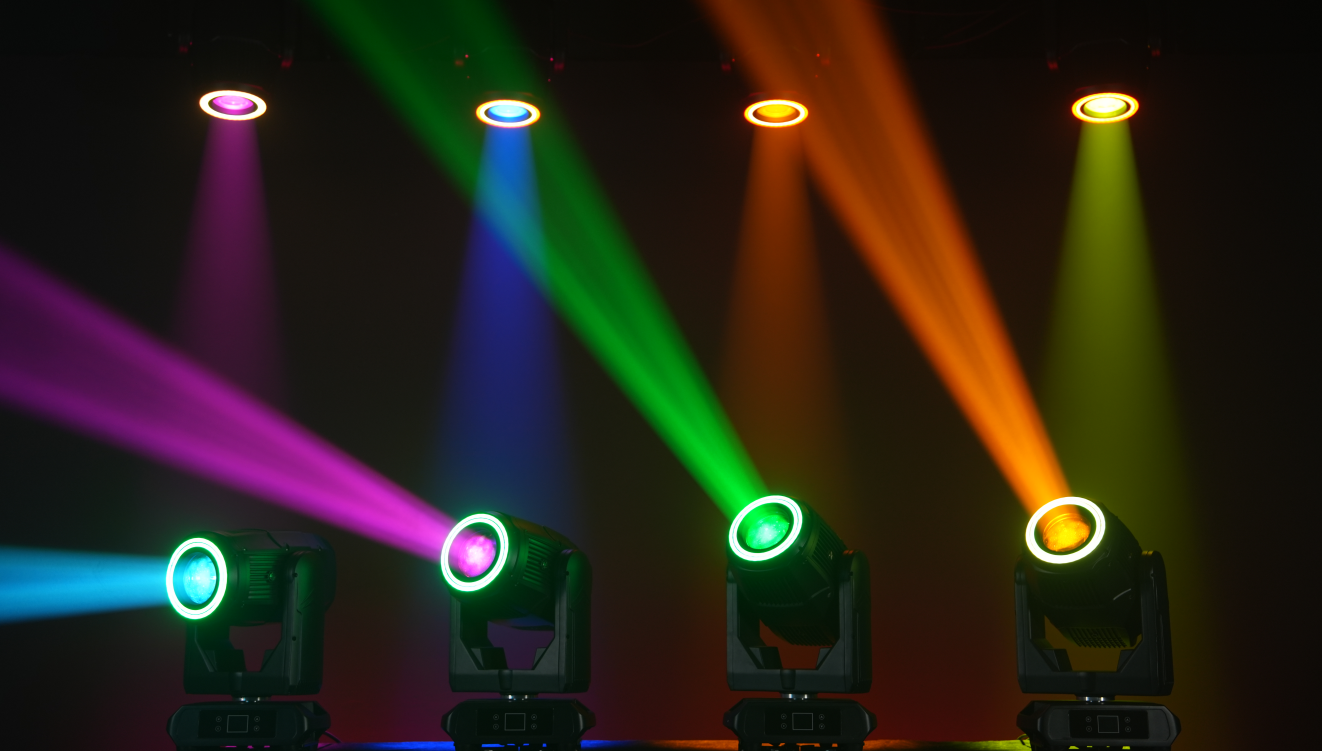
Beam vs Spot vs Wash: Understanding 3-in-1 BSW Moving Head Lights
Beam, Spot and Wash are three of the most common effects in professional stage lighting. Although all three can be produced by a moving head fixture, they serve very different purposes during a show. Beam creates powerful aerial structures, Spot adds patterns and visual texture, while Wash provides broader color coverage and atmosphere.
Traditionally, different types of fixtures were often used to perform these individual roles. A 3-in-1 BSW moving head brings all three functions into a single fixture, giving lighting designers greater flexibility for concerts, festivals, theaters, clubs and other live productions.
So, what exactly is the difference between Beam, Spot and Wash, and how does each effect contribute to a professional stage design?
1. Beam: Creating Structure and Impact in the Air
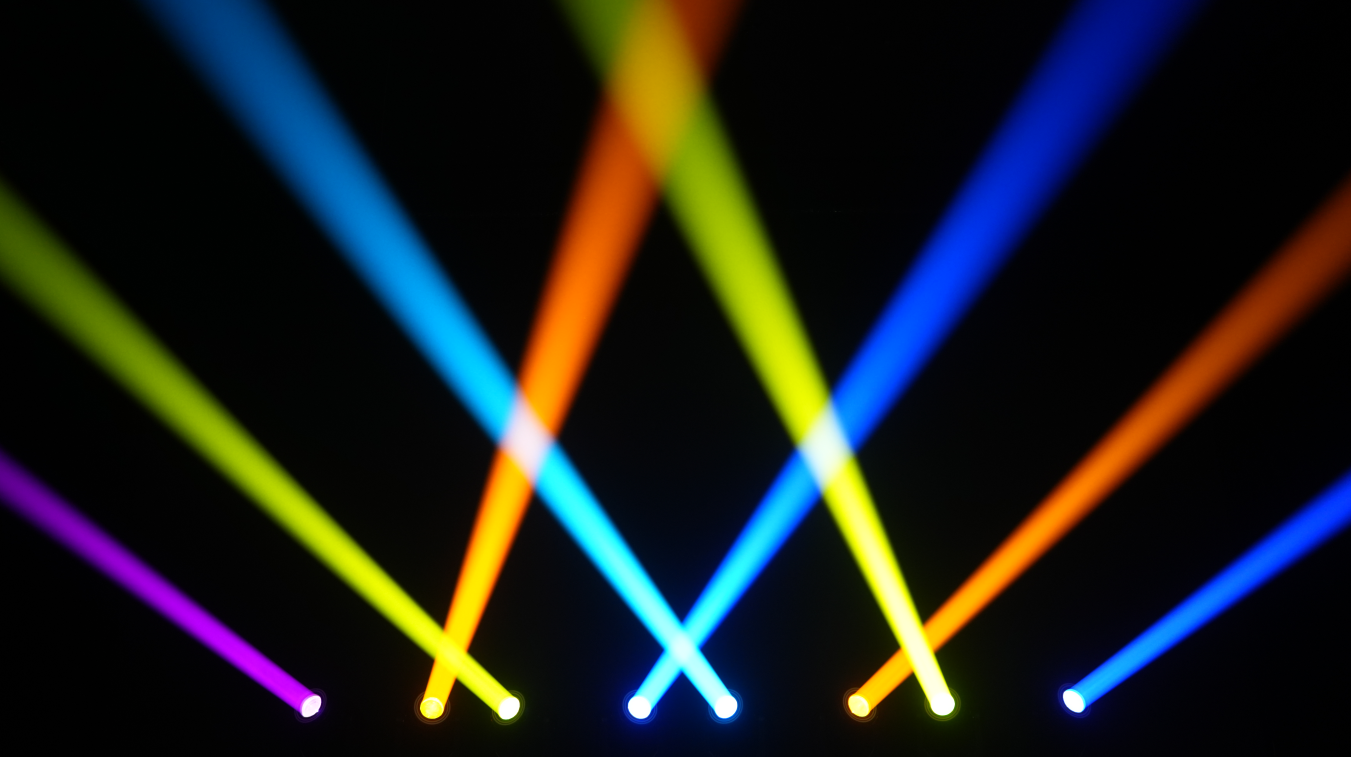
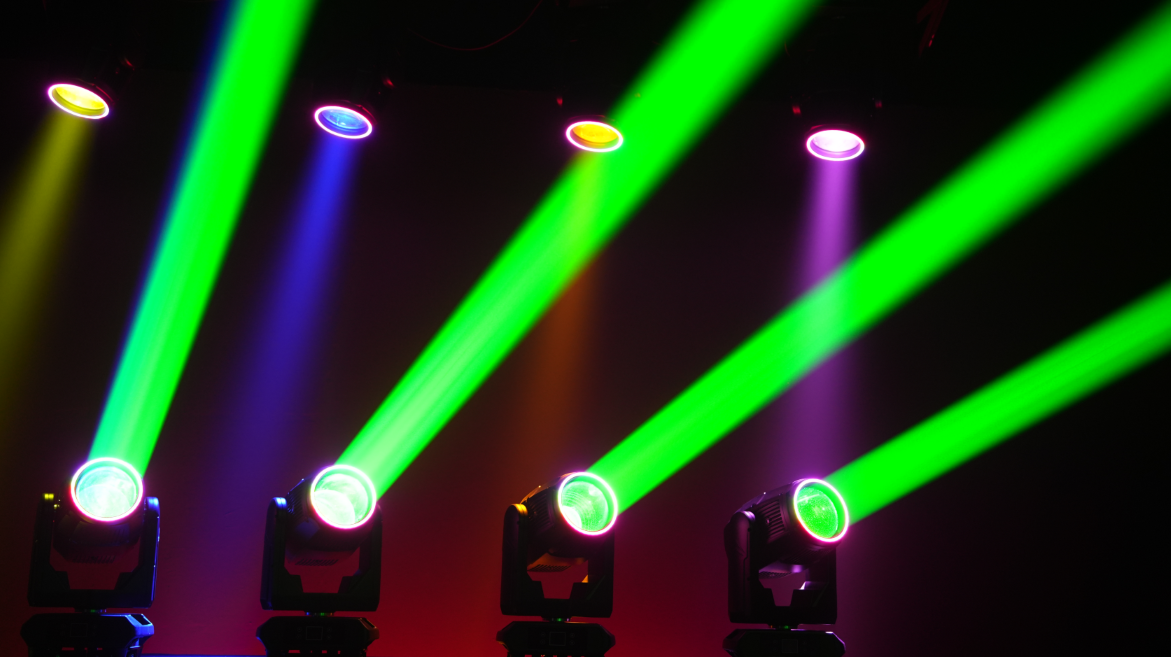
Beam is defined by concentrated, sharp light. When haze or atmospheric effects are present, the path of the light becomes clearly visible, creating a strong aerial beam above the stage.
The real purpose of Beam is not simply to make a show brighter. It is to create depth, structure and visual impact within the performance space.
Multiple moving heads can be programmed to produce parallel beams, crossing patterns, fan shapes and fast sweeping movements. This makes Beam especially effective during energetic sections of concerts, festivals and club shows.
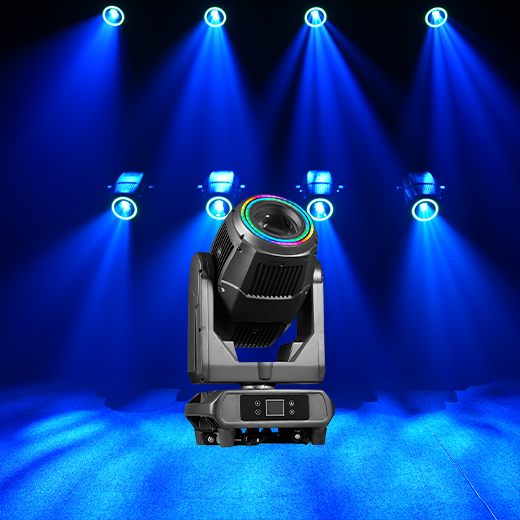
The Blue Sea Lighting 350W 3-in-1 BSW Moving Head uses a customized 300W high-brightness LED source with a 3°–32° optical angle. Narrower settings help produce more concentrated beams, while wider settings provide greater flexibility for different lighting looks.
The fixture also offers 9 colors plus white, allowing beam movement and color changes to work together to create more varied aerial designs.
2. Spot: Turning Light into Patterns and Visual Texture
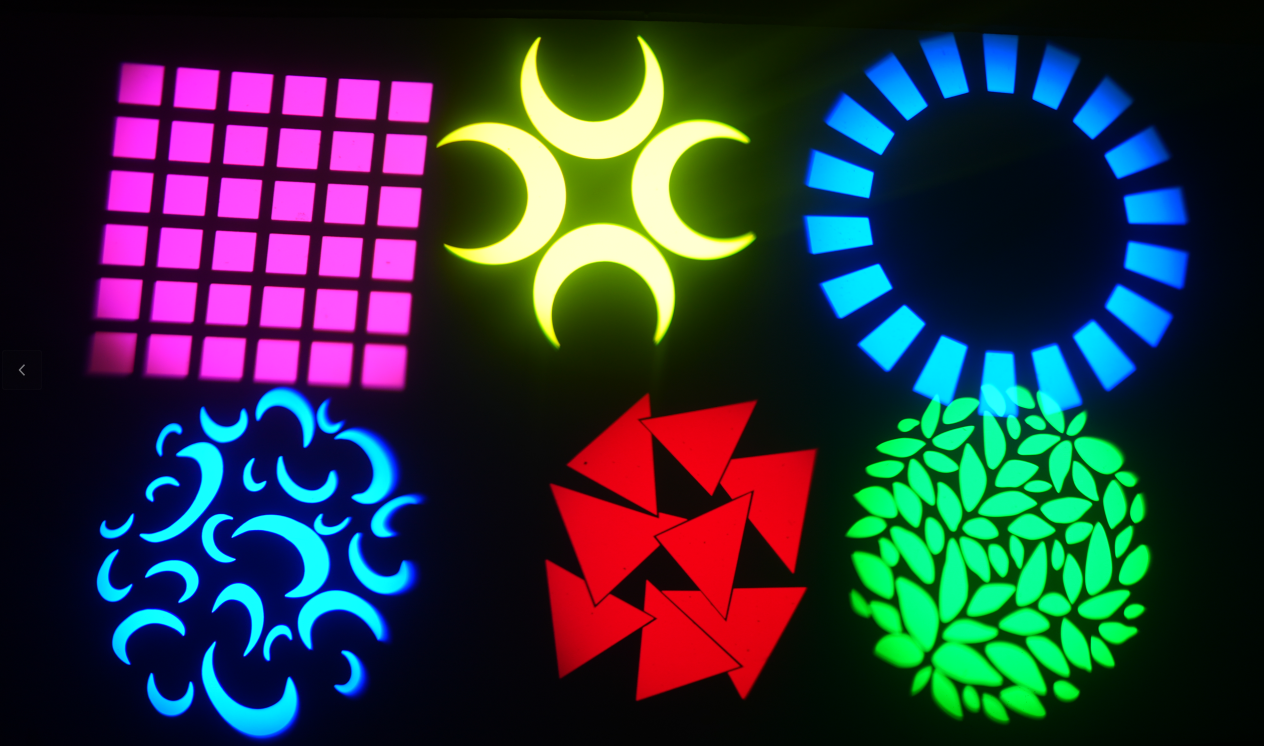
If Beam is used to “draw lines” in the air, Spot can be thought of as a way to “draw shapes” on the stage.
A Spot effect uses gobos to project different patterns and textures onto floors, scenery, backdrops and other surfaces. Instead of working only with brightness and color, lighting designers can use gobos to introduce recognizable shapes and visual texture into a scene.
During slower sections of a performance, a gently moving gobo can add subtle detail. During high-energy moments, faster rotation, color changes and moving-head movement can make the entire stage feel more dynamic.
The Blue Sea Lighting 350W BSW Moving Head features 6 fixed gobos plus open and a fire effect, together with 7 rotating gobos plus open with bidirectional rotation.
A gobo therefore does much more than project a static pattern. When combined with color, rotation and movement, the same basic gobo can produce dramatically different stage looks.
3. Prism: Expanding One Effect into Many Visual Possibilities
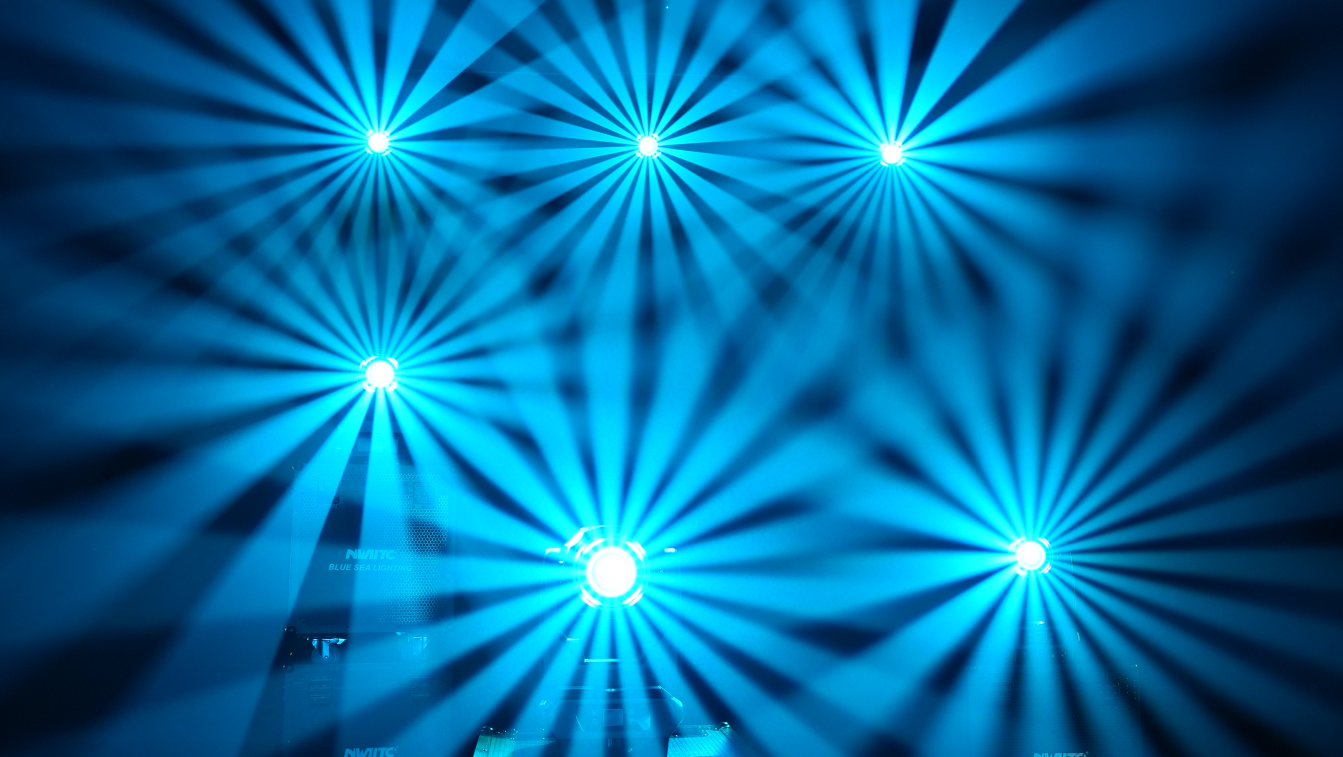
During a live show, a concentrated beam or pattern can suddenly expand into a much richer radiating effect. Prism is one of the optical tools commonly used to create this transformation.
Rather than simply changing the color of the light, a prism can split and expand a concentrated beam or pattern, creating additional visual layers across the stage.
This becomes especially noticeable when several fixtures use prism effects together. The number of visible light elements increases, and the overall scene can feel larger and more complex.
When prism is combined with rotation, color and moving-head movement, the result can create radiating, rotating and layered visual effects that add greater energy to the show.
The Blue Sea Lighting 350W BSW Moving Head provides 3 prism effects with bidirectional rotation, allowing designers to combine prism with beams, gobos, colors and movement. The real value of a prism is not simply adding another effect. It expands the creative possibilities of effects that are already being used.
This makes prism particularly effective during musical climaxes and other moments when the lighting design needs a quick increase in visual impact.
4. Wash: Building Color and Atmosphere Across the Stage
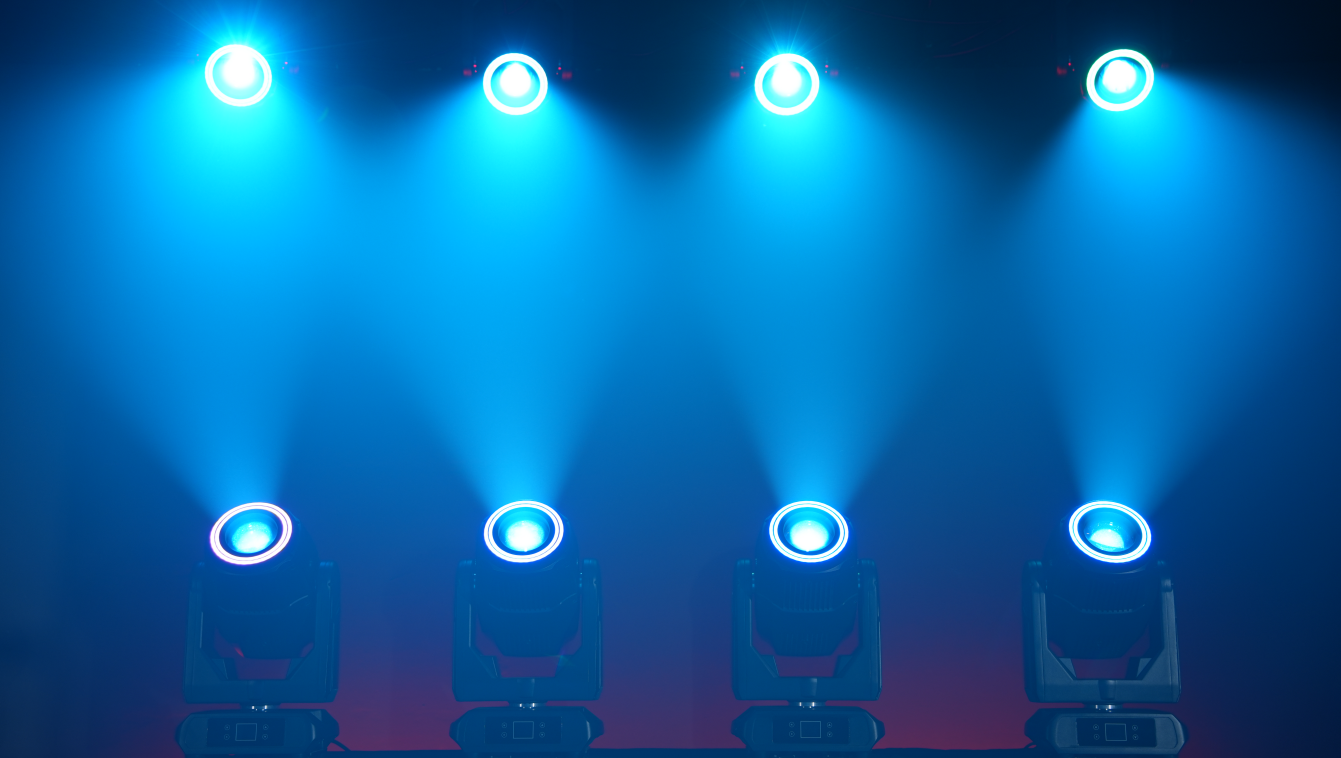
Wash has a very different role from Beam.
Beam emphasizes concentration, sharpness and direction, while Wash focuses on broader coverage and the overall color atmosphere of the performance space. Not every part of a show needs powerful aerial beams. Intros, emotional sections, stage backgrounds and atmospheric moments often benefit from broader lighting that helps establish the mood of the scene.
Color plays an important role here. Blue and other cool tones can create a deeper, calmer environment, while red, orange and warmer tones can make the same stage feel more energetic and intense. With its 3°–32° optical range, the fixture gives designers flexibility to move between more concentrated and broader lighting looks depending on the requirements of the show.
A simple way to understand the difference is: Beam draws lines in the air, Spot creates shapes and patterns, and Wash fills the stage with color. Each has a different purpose, but together they form a much more complete lighting design.
5. Why Are 3-in-1 BSW Moving Heads Useful for Modern Stages?
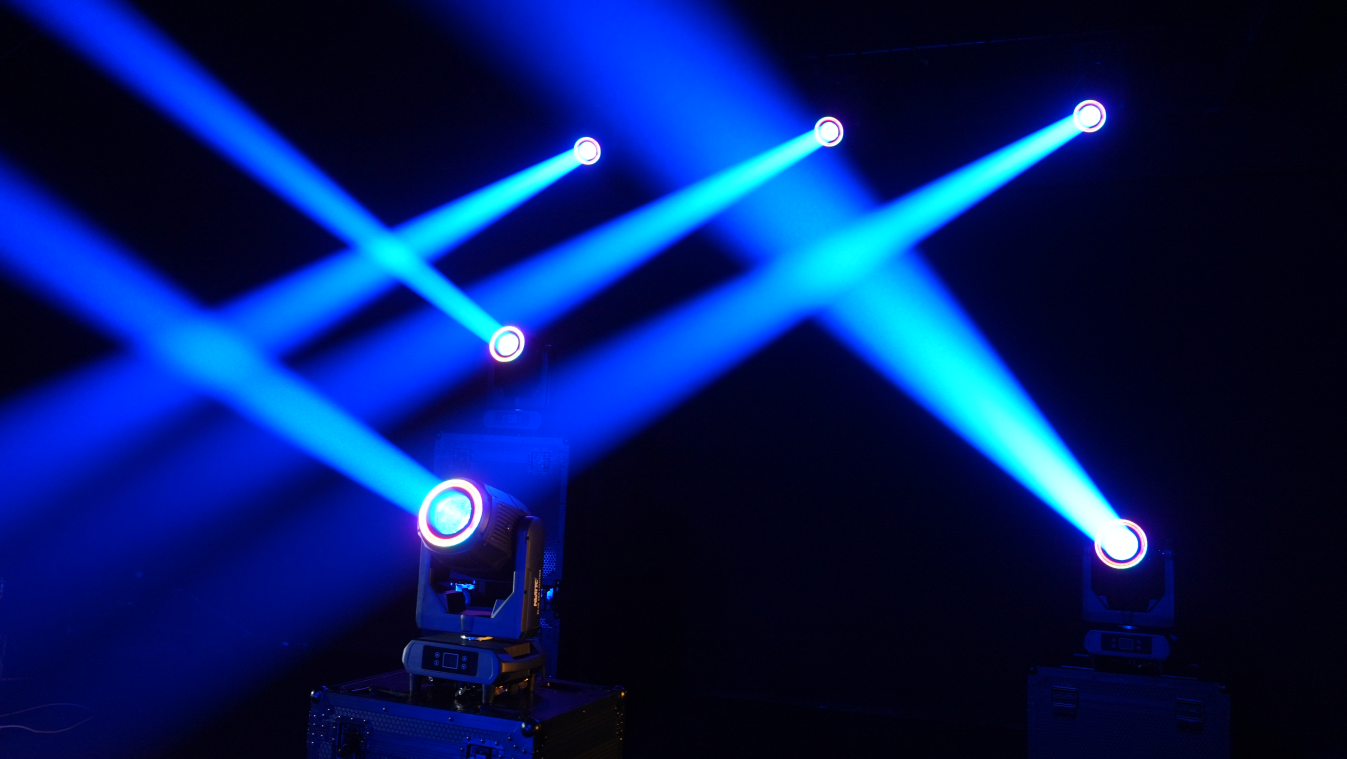
The biggest advantage of a 3-in-1 BSW moving head is not simply having three effects inside one fixture. Its real value is the ability to perform different visual roles throughout the same show.
When a performance needs impact, designers can use concentrated beams. When more visual texture is required, gobos and prism effects can be introduced. When the overall atmosphere needs to change, wider lighting looks and different colors can transform the stage. The Blue Sea Lighting 350W 3-in-1 BSW Moving Head also provides 540° pan and 270° tilt, along with multiple control modes for stage programming.
Its die-cast magnesium alloy housing, temperature-controlled cooling and overheating protection help support reliable operation, while IP66 protection makes the fixture suitable for a wider range of outdoor stage applications. From sharp aerial beams and dynamic gobo projections to broader color effects, each function contributes something different to the final show.
Professional stage lighting is not simply about making a stage brighter. It is about combining beam, pattern, color and movement in the right way for the music, space and performance. That is the real advantage of a 3-in-1 BSW moving head: one fixture can provide lighting designers with more ways to shape, transform and energize a stage.
Recommended
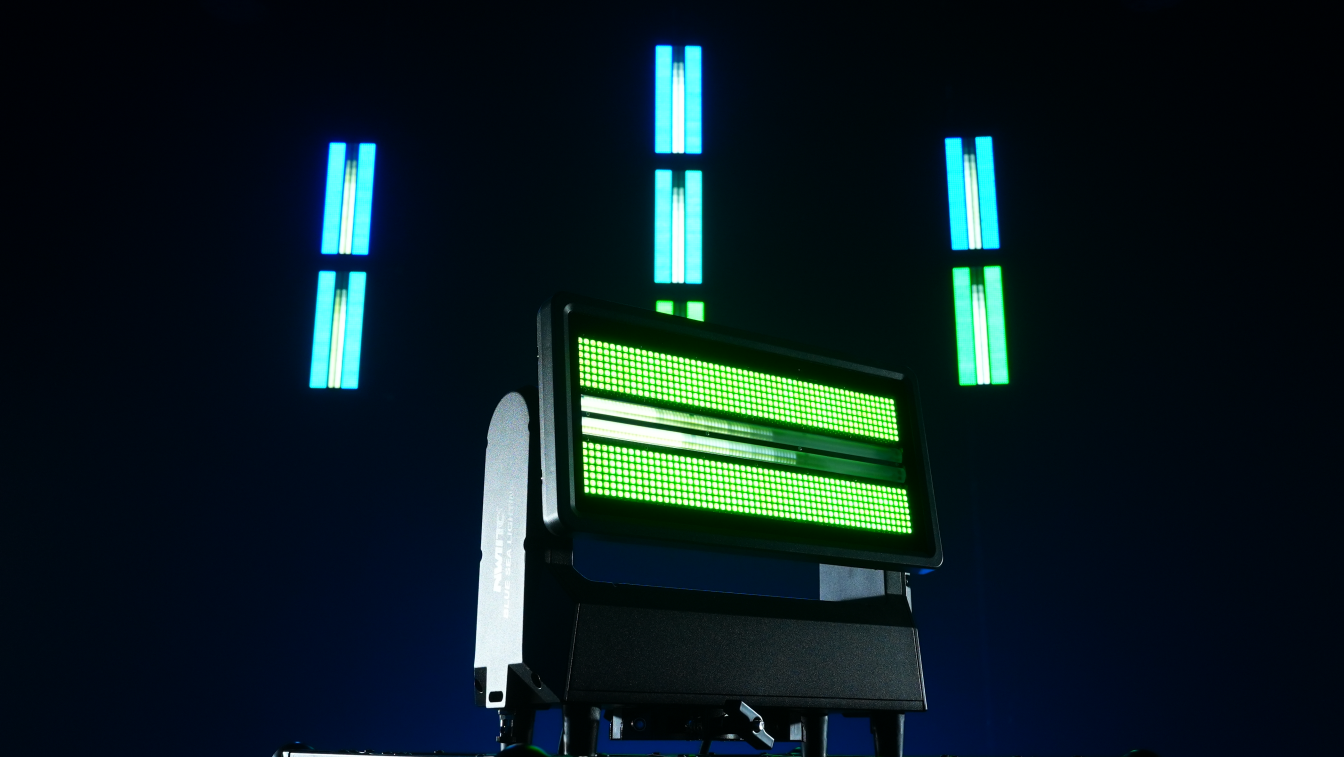
How to Use LED Strobe Lights to Create Stunning Stage Effects?
Discover how LED Stage Strobe Lights create stunning stage effects. Blue Sea Lighting explains flash rates, color effects, DMX Strobe Light control, and fixture combinations for concerts, DJ events, and nightclubs.
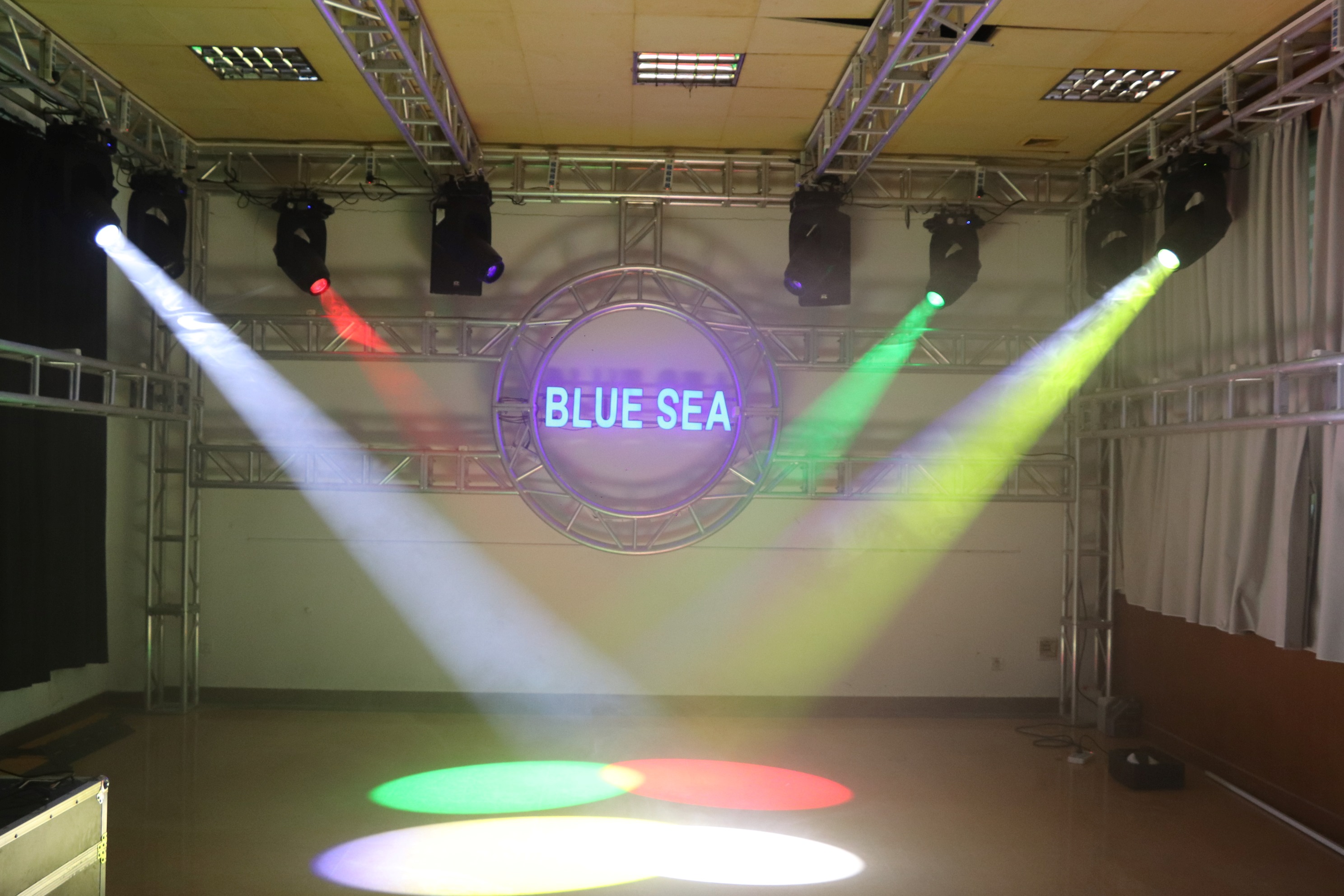
How to Choose the Right Stage Lighting for Different Events? A Complete Buyer's Guide
Discover how to choose the right stage lighting for concerts, weddings, theaters, and outdoor events. Explore practical lighting tips and professional solutions from Blue Sea Lighting to create outstanding visual experiences.
What Is a Moving Head Stage Light?
Learn how moving head stage lights work, their main types, key features, and applications for concerts, clubs, events, and professional stage lighting setups.

Send Message To Blue Sea Lighting
leave us a message Contact us by completing the form below.Our customer service will answer you as quickly as possible.Gem Heights is parent company of '' Gem factory india''