ISO9001 Quality Management System Training at Blue Sea Lighting
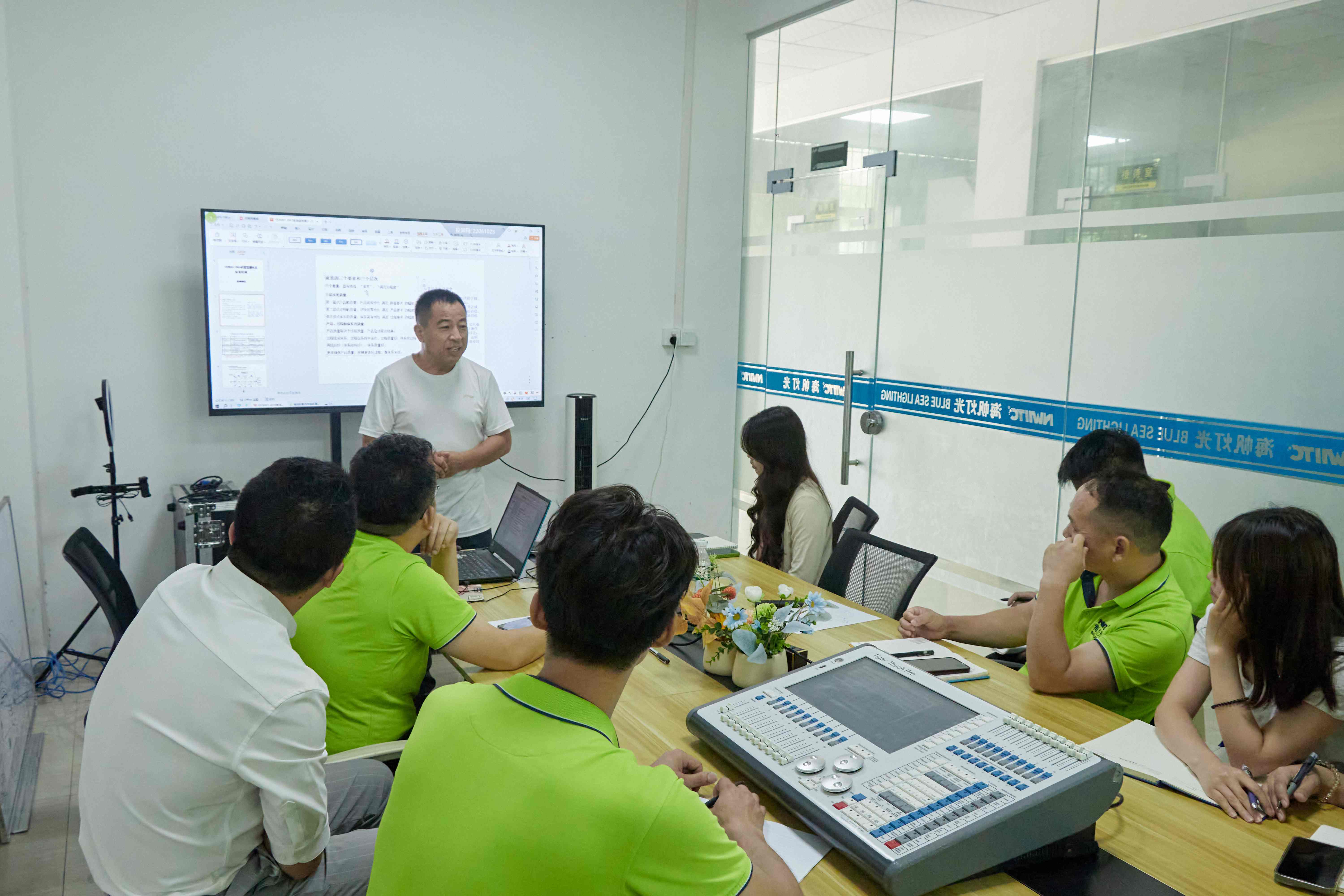
To strengthen internal process standardization and enhance overall operational efficiency, Blue Sea Lighting organized a comprehensive ISO9001 Quality Management System (QMS) training in July 2025. The session brought together key personnel from production, sales, R&D, quality control, customer service, and administration departments.
The training was led by a senior ISO consultant, providing an in-depth explanation of the ISO9001:2015 standard, including its structure, core principles, and real-world applications. The session featured a blended approach of lecture, live Q&A, and note-taking. Employees demonstrated high engagement and a strong commitment to quality management.
1. From Concept to Implementation: ISO9001 Unpacked

2. Cross-Department Participation: Aligning Understanding
3. Management Commitment and Strategic Direction
4. A Culture of Engagement and Learning

5. Conclusion: Everyone Owns Quality
Recommended


Related Search
Send Message To Blue Sea Lighting
leave us a message Contact us by completing the form below.Our customer service will answer you as quickly as possible.Gem Heights is parent company of '' Gem factory india''